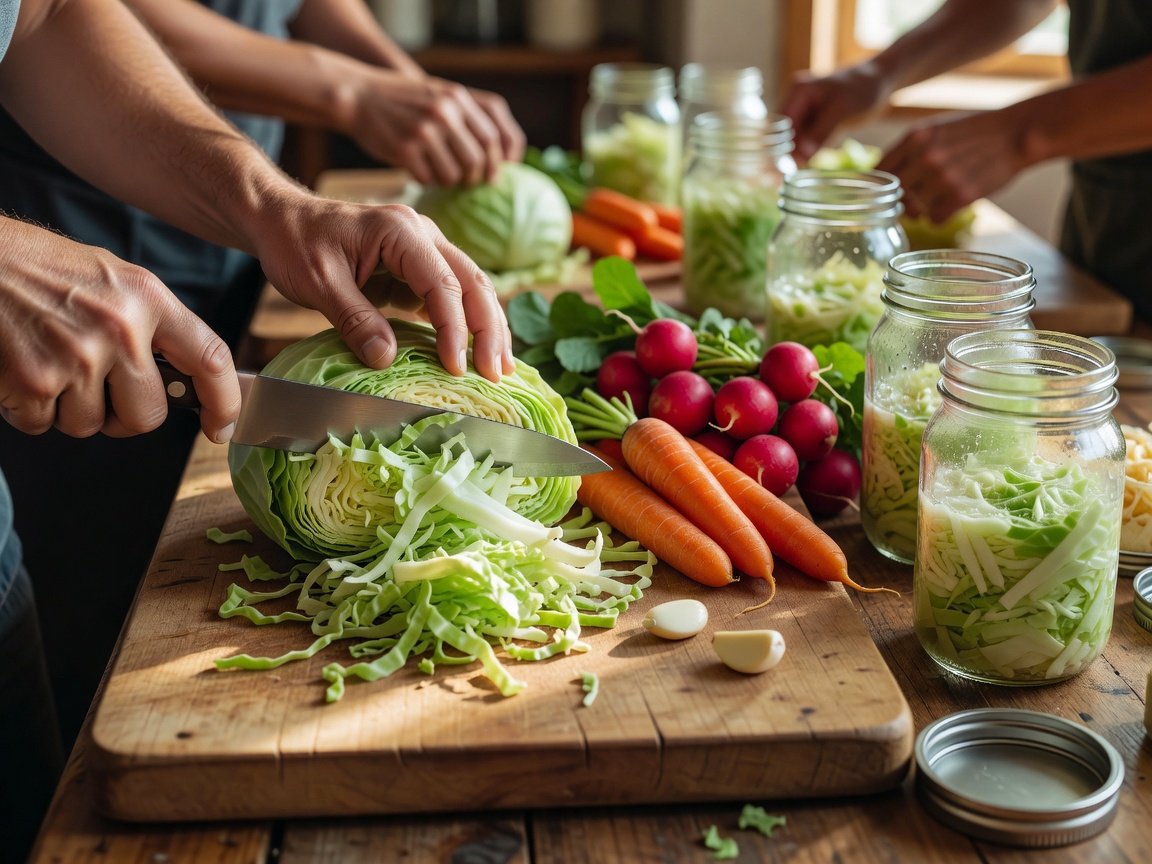
Nordic Fermentation Workshops
Understand session formats, preparation, vessels, tasting and participant expectations.
Context: studio, kitchen, small group
Open workshop guide →NORDIC FERMENTATION LAB / SEASONAL STUDY
Explore Scandinavian fermentation through practical workshops, seasonal ingredients, preservation techniques and regional food culture.
THE DIRECTORY
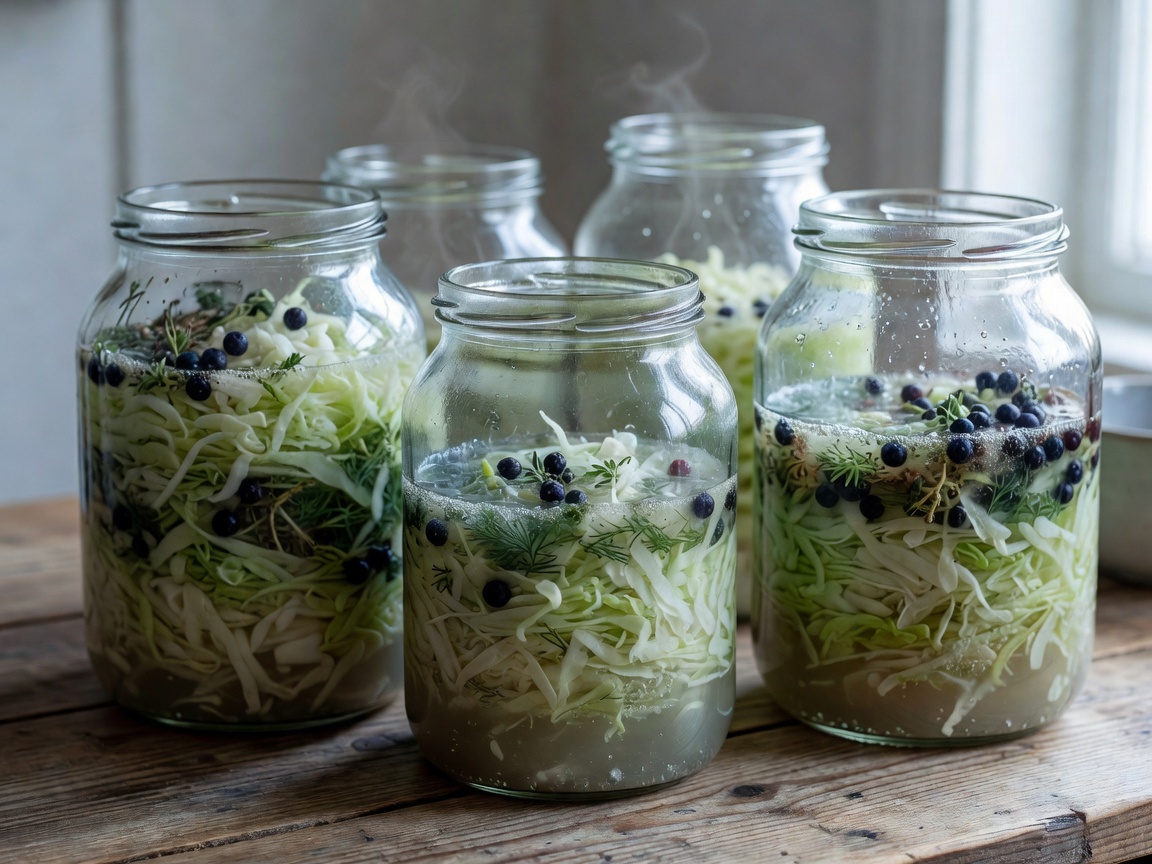
Understand session formats, preparation, vessels, tasting and participant expectations.
Context: studio, kitchen, small group
Open workshop guide →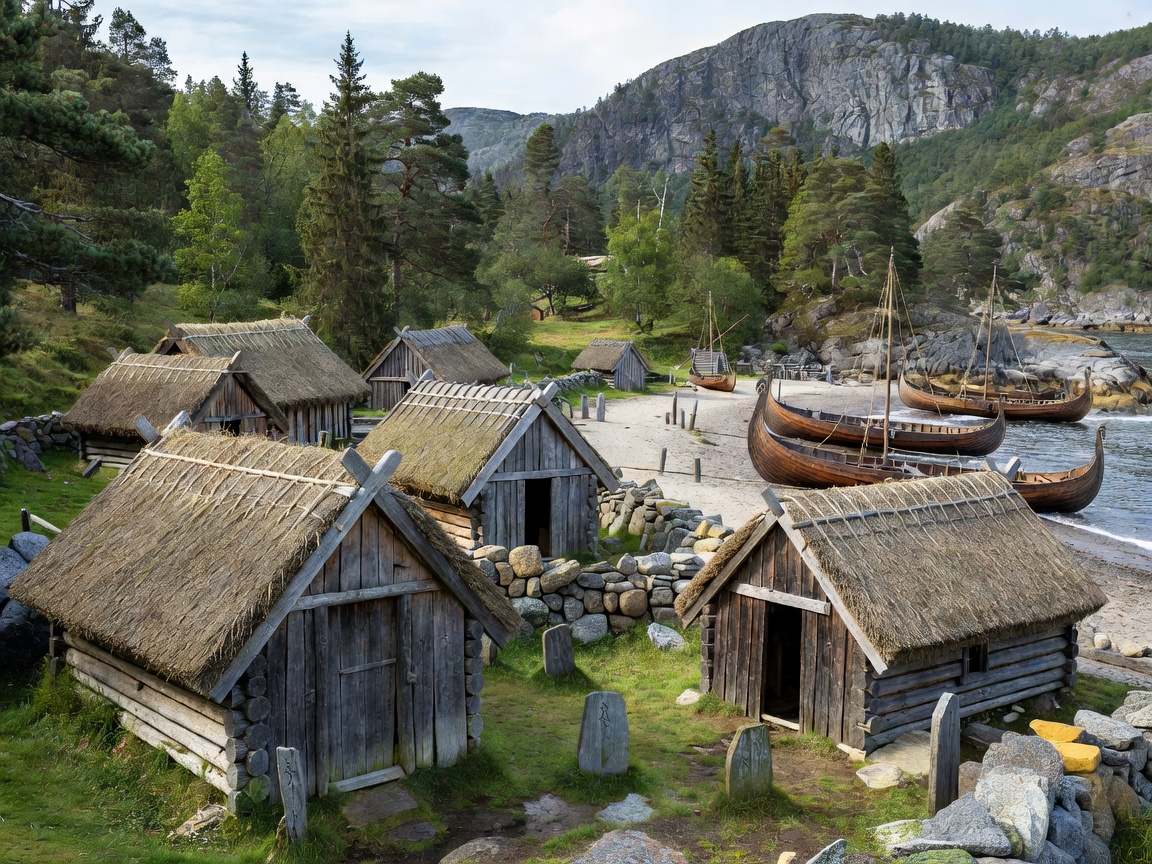
Compare household preservation, dairy, fish, vegetables and grains across Nordic regions.
Context: Denmark, Norway, Sweden, Finland, Iceland
Read regional guide →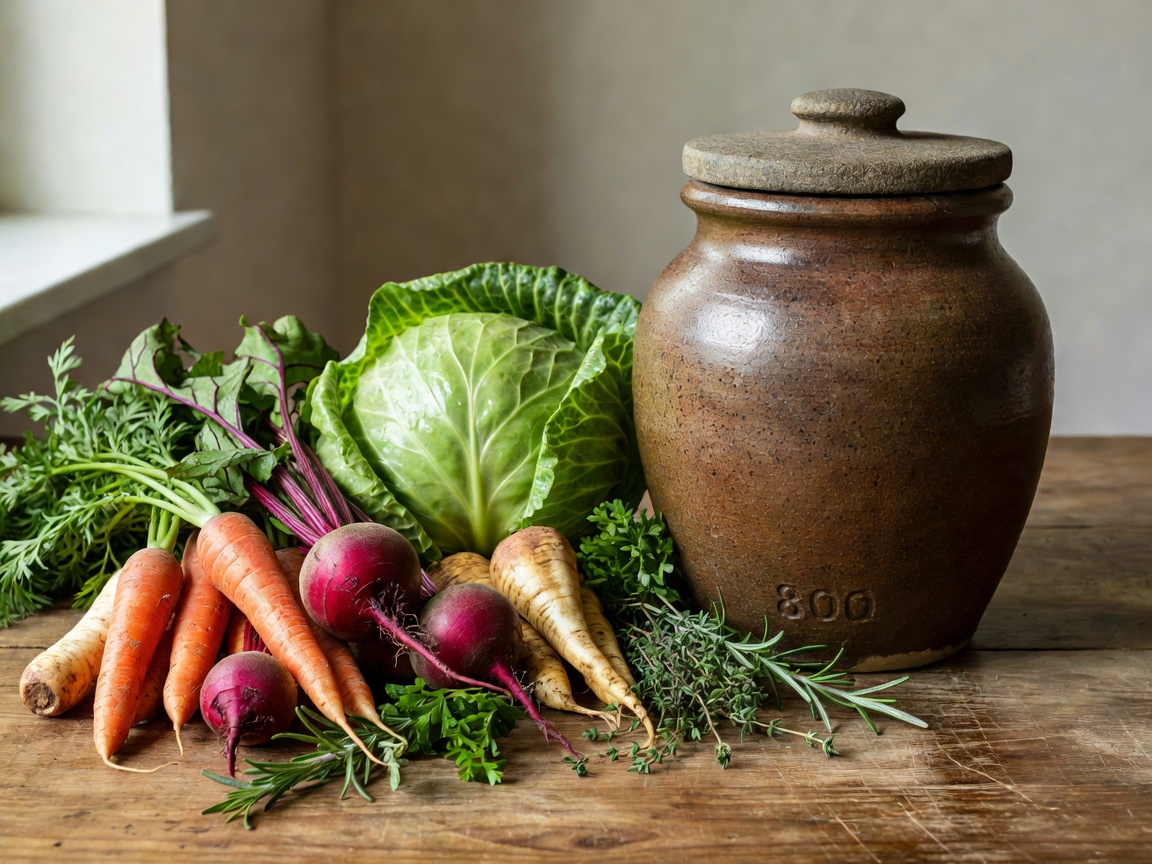
Learn the vocabulary of salt-based fermentation, seasonal produce and storage planning.
Context: cabbage, roots, cucumbers, onions
Study vegetable preserves →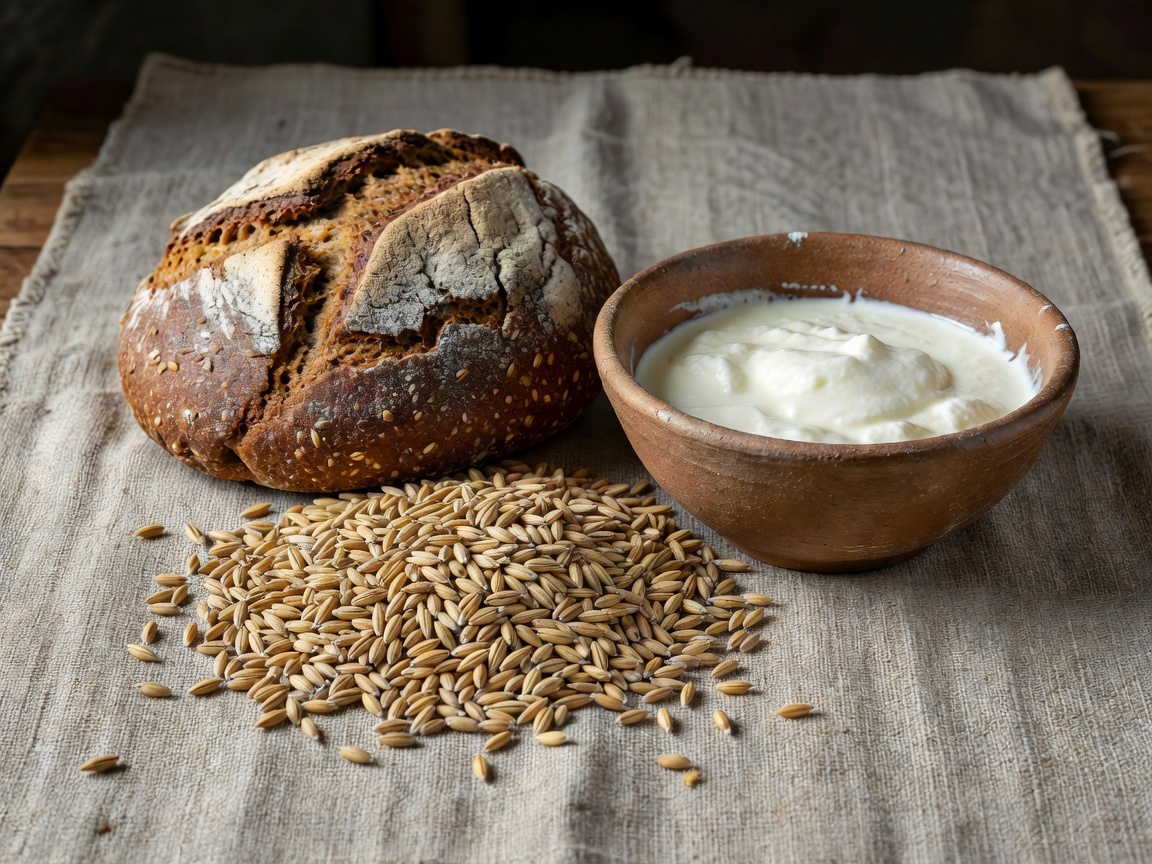
Follow sour milk traditions, cultured dairy, rye, barley, oats and sourdough practice.
Context: dairy cultures and regional baking
Explore dairy and grains →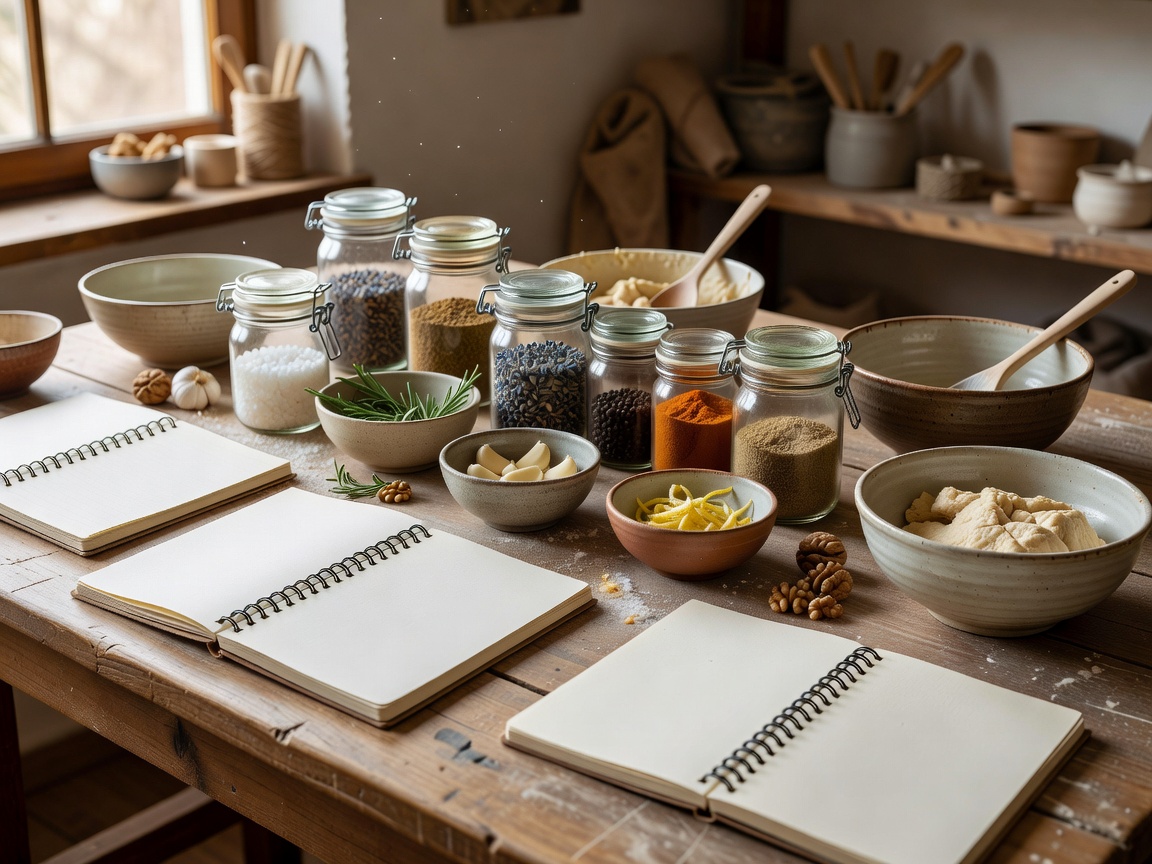
Set group size, equipment, ingredients, access needs, timing and participant guidance.
Context: private groups and culinary teams
Plan the format →A SIMPLE WORKING MODEL
Fermentation is a relationship between ingredients, microorganisms, salt, time, temperature, vessel and season. The sequence is useful for observation, not a universal recipe.