Start with a defined format
A session may be demonstration-led, participatory or divided between the two. Demonstration-led formats suit large groups and delicate equipment. Participatory formats work better when the purpose is to practise knife work, weighing, mixing, packing or sensory observation. A small group can rotate through stations without turning the room into a production line.
Useful opening information includes the ingredient, the intended style of fermentation, the vessel category and the questions participants should notice. “Culture” means the community of microorganisms involved in a food process; it does not imply one identical method across Nordic regions.
Ingredients and equipment
Workshops commonly use seasonal vegetables, cabbage, roots, berries, rye, barley, oats or cultured dairy. The ingredient list should state whether items are raw, cooked, milled or already cultured. It should also identify allergens such as milk, gluten or mustard.
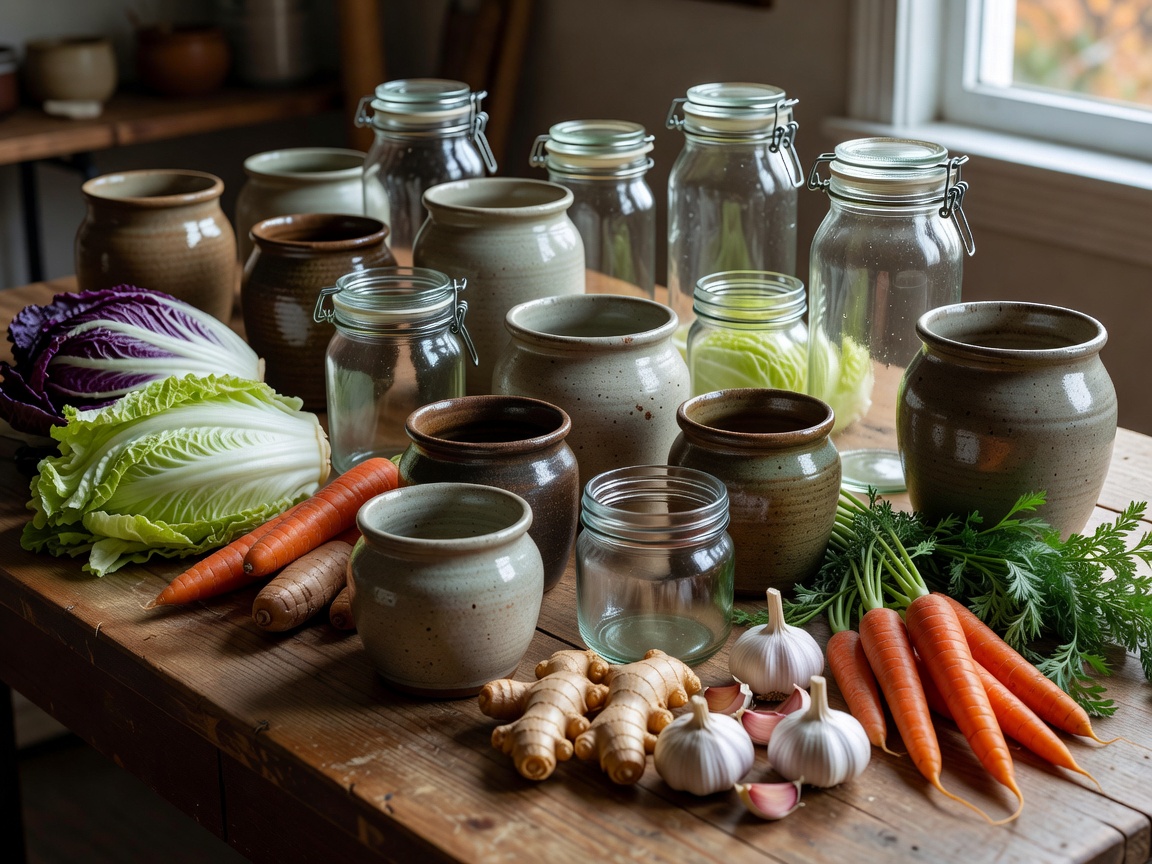
Equipment is usually modest: clean bowls, scales, knives, boards, jars or crocks, labels and a way to record dates and observations. The vessel affects access, visibility and storage. A transparent jar makes activity visible; a ceramic crock offers a different working tradition. Neither is automatically suitable for every food.
What participants actually do
Hands-on work can include inspecting produce, comparing cut sizes, discussing salt as an environmental control, packing a vessel without damaging the ingredient, labelling batches and tasting an established sample. Tasting should be structured around aroma, acidity, texture, salinity and aftertaste. Participants should never be pressured to taste an ingredient that conflicts with allergy, dietary practice or personal comfort.
The workshop should separate observation from instruction. A visible change is not, by itself, proof that a food is safe. Food safety depends on ingredients, process control, hygiene, storage and context. Use established food-safety guidance and qualified instruction for operational decisions.
Small groups and access
Small groups allow an instructor to see each participant’s technique and answer questions. Larger groups need clear stations, printed prompts and assistants. Plan seated work surfaces, reachable equipment, low-sensory options and alternatives for people who cannot stand for long periods. Language matters too: explain terms such as surkål, meaning sour cabbage, rather than assuming regional vocabulary is familiar.
Participant checklist
- Read the ingredient and allergen note before arrival.
- Wear practical clothing and closed footwear where required.
- Tell the organiser about dietary, access or language needs early.
- Bring questions about storage, tasting and follow-up.
- Expect guided learning, not a guarantee of a particular result.
Related routes
For regional context, read Scandinavian Fermentation Traditions. For logistics, use Workshop Planning. Discuss a workshop brief